
Giving Fearlessness
Or, in praise of depraved appetites and sickly imaginations

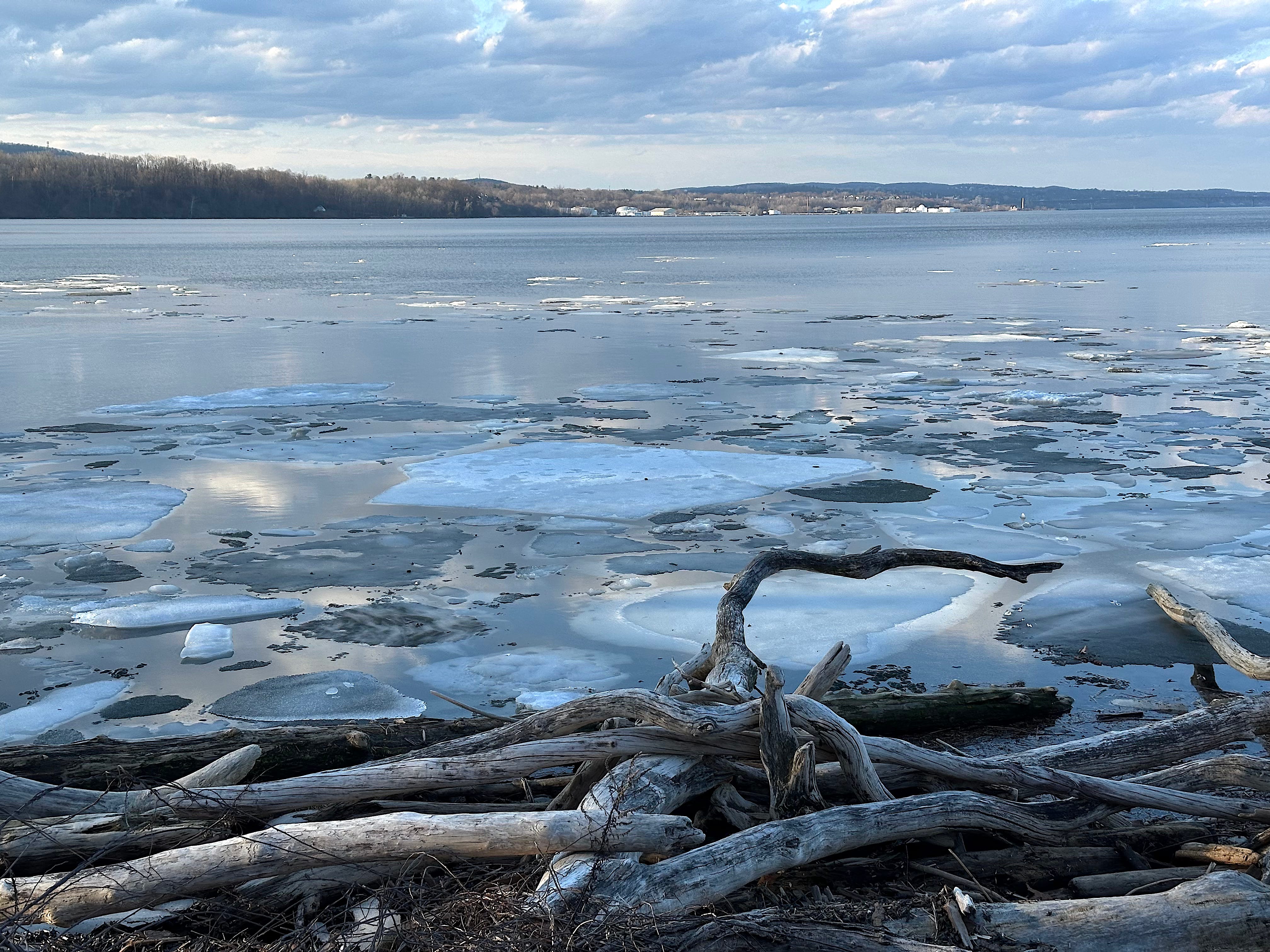
It’s March again here in the Hudson Highlands, and the weather (which is always wild) couldn’t be more psychotic. Less than two weeks ago we were shoveling-out from under almost three feet of snow––today it’s seventy-five degrees and the snow has vanished, except for a few white scraps still hiding under trees.
All this sudden snowmelt floods the creeks around here, some so wild that you can hear them before you see them. Julia and I go walking to see how high the water is, and to look for eagles. There’s a pair that fly back and forth every morning; we can see them from our window when we’re having our first cup of coffee. You can tell them apart from osprey by a flash of white tail, or by the peculiar motion of their wings, which looks (to me) like a child wearing a floppy black cape and flapping their arms. The eagles also have a unique ability to disappear behind trees, to wink out of existence like a magic trick with mirrors.
Writing-wise, things are busy. I’m pursuing my New Year’s resolution of writing more (and better) stories this year. (I call it “The Bradbury Challenge”.) Ray Bradbury famously advised writers to write one story a week, saying, “No one can write fifty-two bad stories in a row.”––I am hoping not to prove him wrong. Julia and I are still at work on our new Middle Grade novel, gathering responses from our beta-readers and preparing to dive in for a final draft. I’ve also been working on a novel based on my Lost River stories, letting the characters talk to me and tell me new and surprising things, which is always a joy.
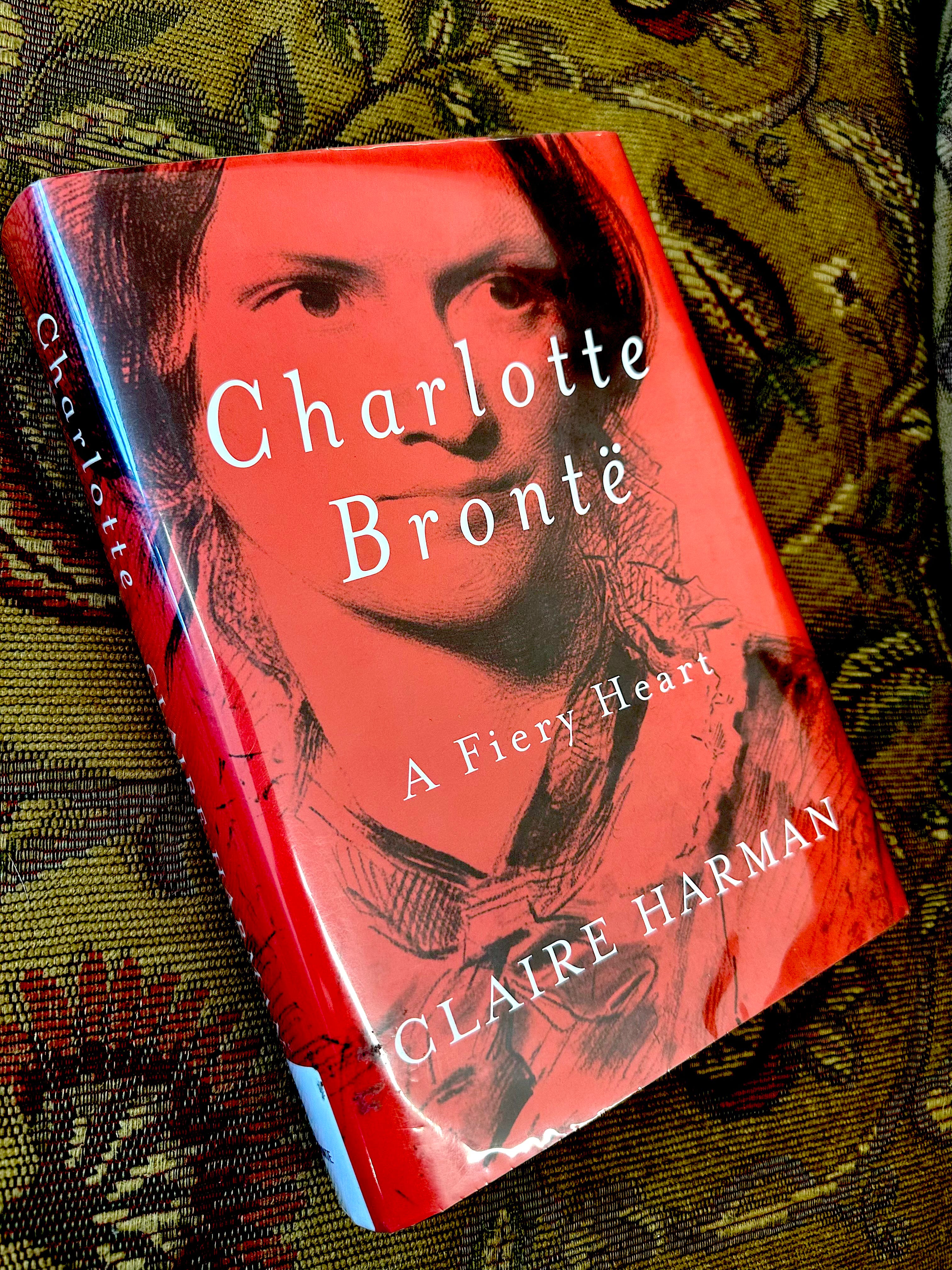
Meanwhile, I’ve been reading Claire Harman’s terrific biography of Charlotte Bronte, A Fiery Heart. Beautifully written, it’s full of many surprising passages like this characteristically cranky bit of opinion from Patrick Bronte, Charlotte’s father:
The sensual novelist and his admirer are beings of depraved appetites and sickly imaginations, who…are diligently and zealously employed in creating an imaginary world, which they can never inhabit, only to make the real world, with which they must necessarily be conversant, gloomy and insupportable.
You have to admit, that’s some grade-A buzz-kill writing right there. What I love is how Harman follows it up with this single-sentence response that ends the chapter (and banishes the father’s ghost from the page):
Patrick’s children must have read these words often, but no group of young people ever took less heed of such a warning.
Gazing at that sentence, it feels very easy for me to raise my hand and admit, “Guilty as charged.” There are times whe I do feel as though I’m sort of hiding from the world, writing my stories in this comfortable, quiet place, except when the world will not allow it.
Recently, we learned that an empty warehouse just a few miles from here was going to be turned into a ICE facility. Julia and I started attending the public protests. In an area that’s known to be very conservative, we’ve both been heartened and more than a little surprised to see the number of people attending, as well as the loud and enthusiastic support from passers-by. In a political environment poisoned by hate and fear, those smiles and and cheers of support from absolute strangers made me feel less afraid.
In Buddhism, one of the three major types of giving is called “giving fearlessness”. It can be done with the smallest of gestures. One good example of that happened when we moved here six years ago. We saw a lot of Trump posters, “thin blue line” flags and Punisher decals that made us feel uneasy and more or less surrounded. Then we saw what our neighbor down the hill had done––she’d somehow managed to attach a rainbow Pride flag to the top of the tallest tree in her front yard where we (and everyone else) could see it flying every day. It made me feel less afraid because it made me feel less alone.
I know there are exceptions, but I think there’s a good chance that most of us are not as alone as we’re afraid we are.
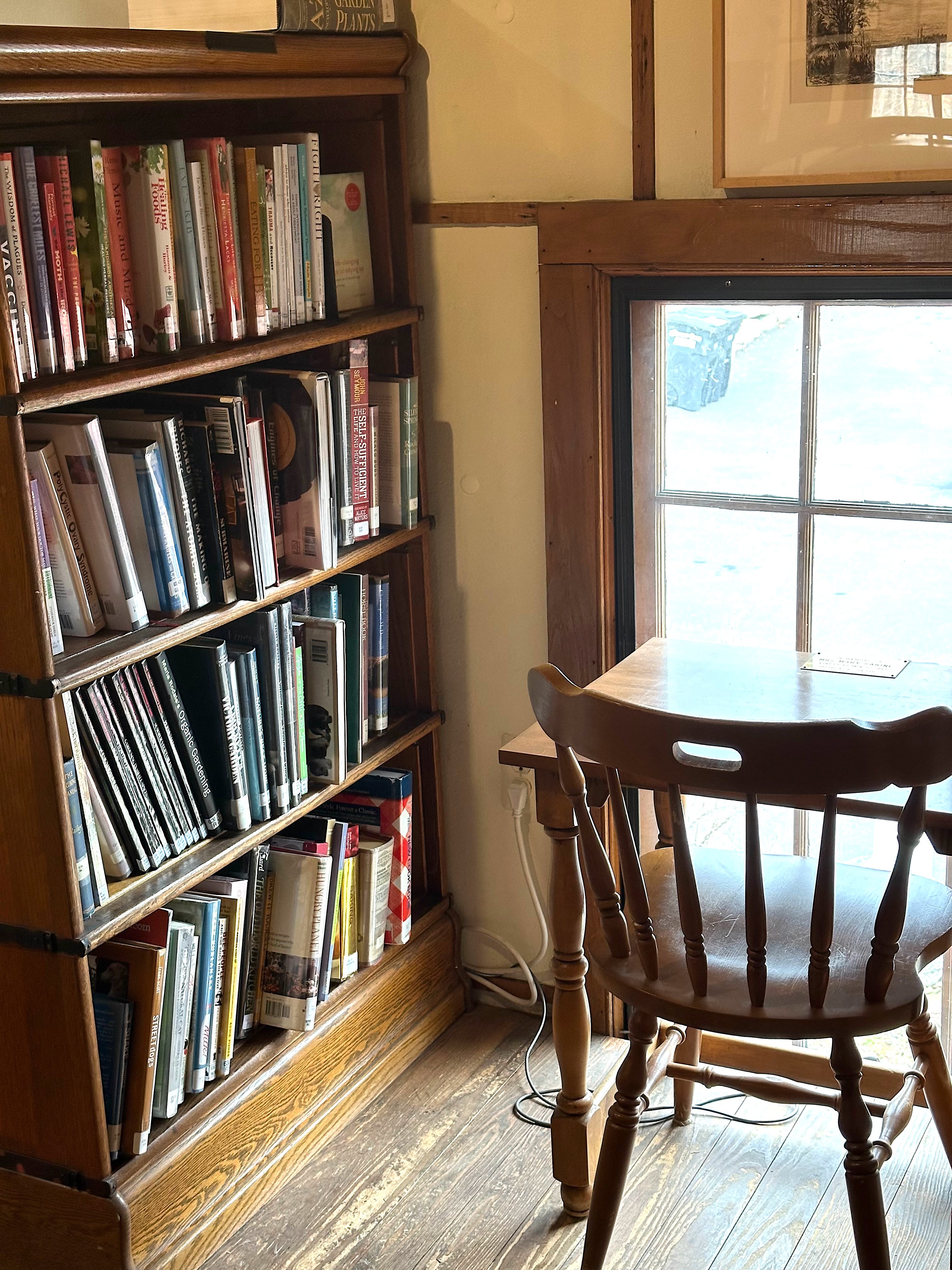
Is it possible to give fearlessness with a story? With a poem or a song or a painting? Of course it is. Everyone knows that, including the people we dislike or fear. At one point or another, everyone has been lifted up by someone else’s words, by something outside themselves. That’s what art can do, not by ignoring the harmful things around us, but by providing a new perspective, a new sense of identity that’s not limited or defined by the bad things around us.
The question is, can I do that? For myself and for others? All I know is that I’ve tried. And I want to keep trying.
Wish me luck.
I hope you enjoyed this January letter from the Highlands. As always, your thoughts and words are welcome.
I also hope you’ll consider subscribing to STRANGE LITTLE STORIES. (It’s free, BTW.) You can check out past installments here. And please feel free to spread the word.
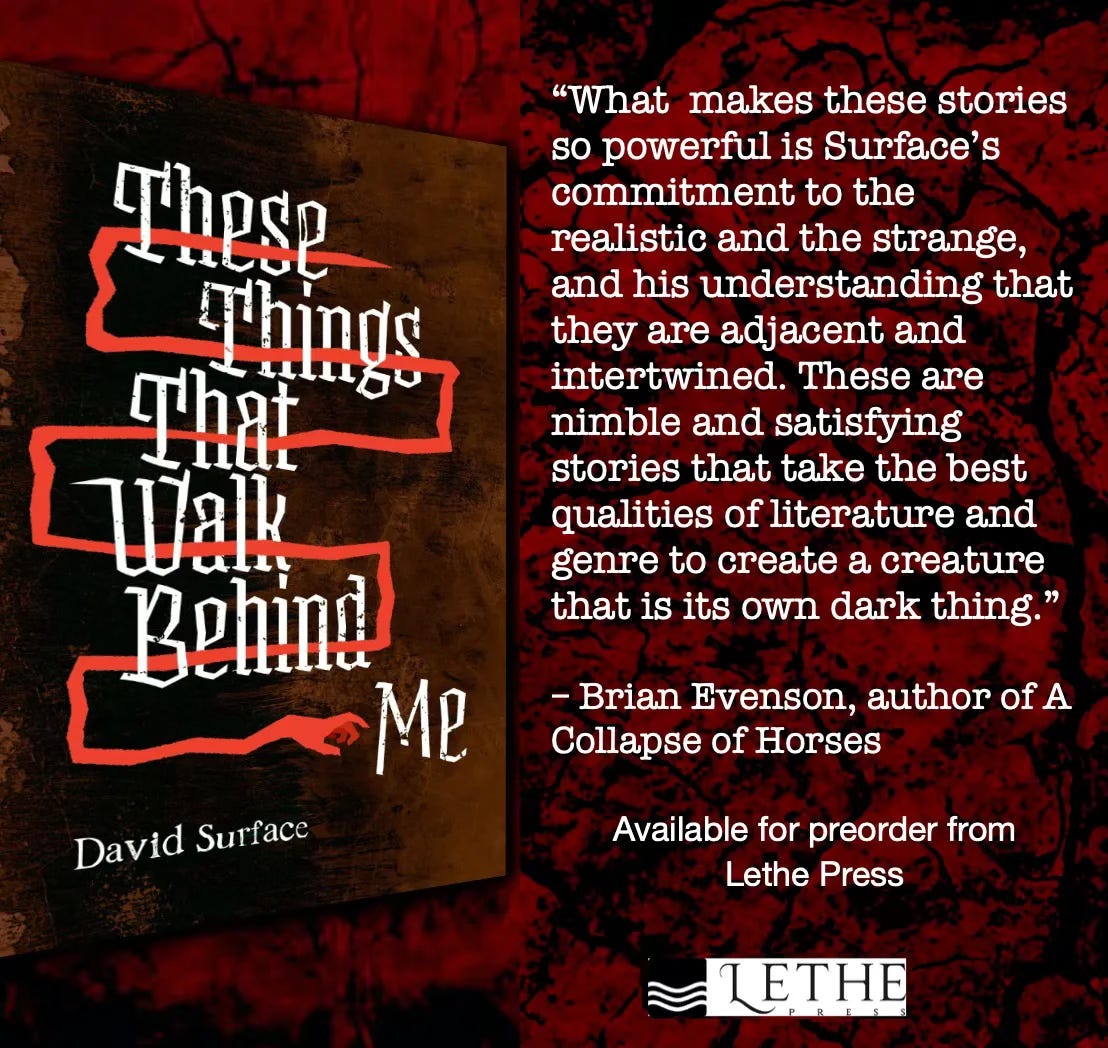
Finally, a friendly reminder that my new collection from Lethe Press, These Things That Walk Behind Me, is now available directly from the publisher here, or by order from your favorite indie bookshop.
“That’s what art can do…” well illustrated, my love. Thank you.
Thank you, the actions of you and your neighbours are very inspiring. And your stories very enjoyable (is that quite the right word?!)